





Quick Answer
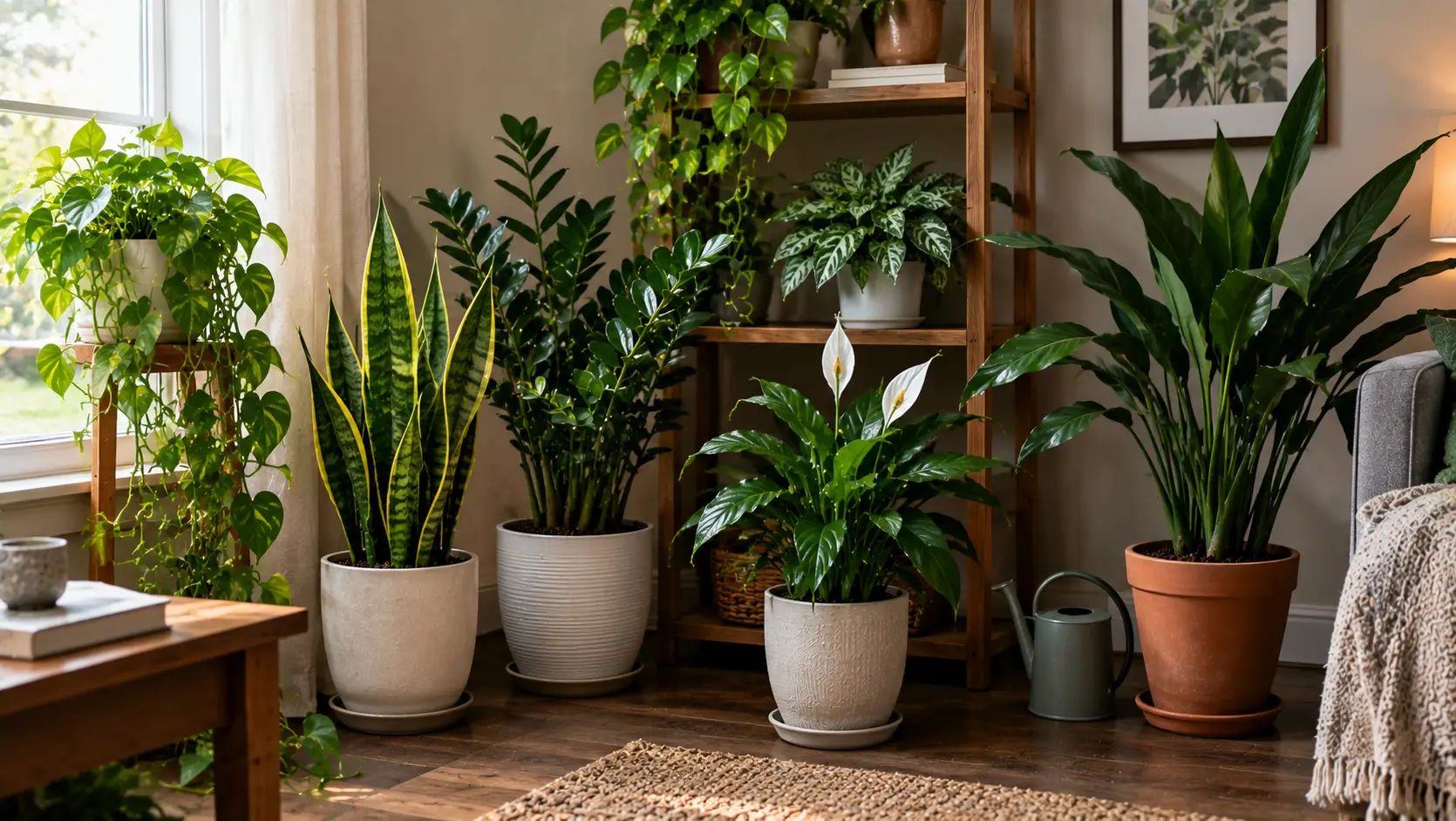
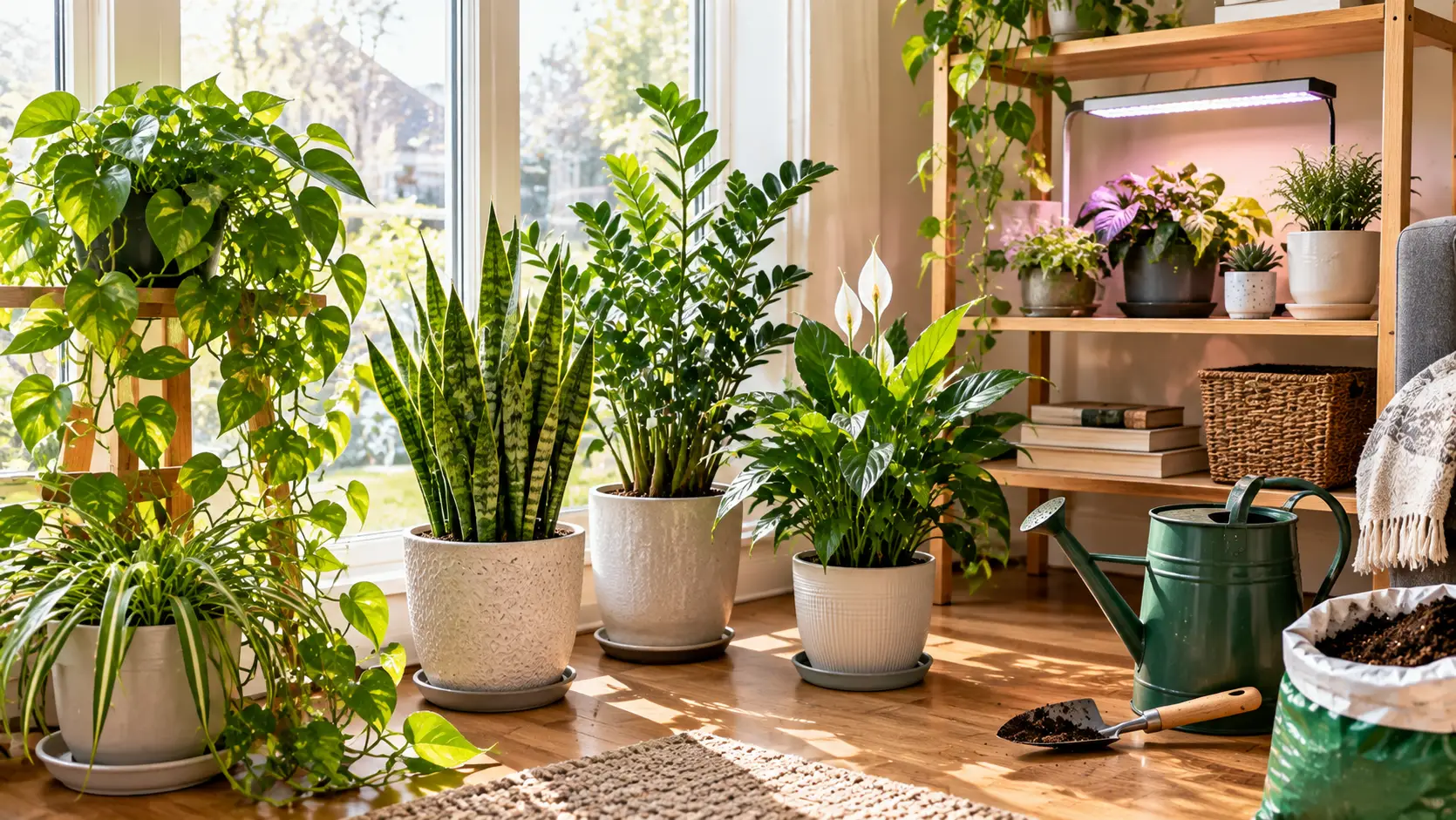
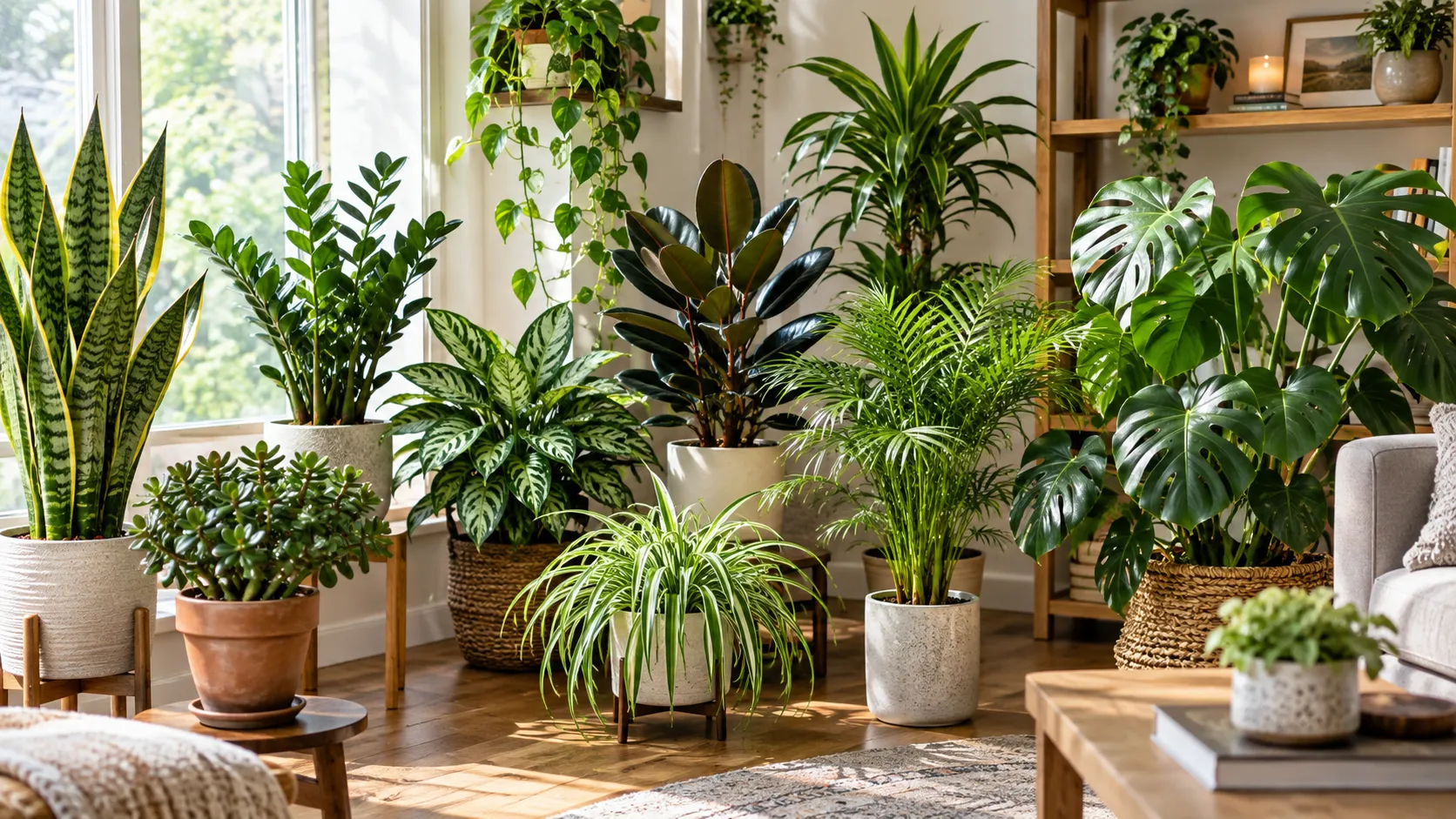
The best indoor evergreen houseplants include snake plant, ZZ plant, pothos, Chinese evergreen, rubber plant, jade plant, and dracaena. These evergreen houseplants keep their leaves all year instead of dropping them seasonally, so a room stays green in January the same way it does in July. Most tolerate a range of light levels and need water only when the soil has dried out.
Almost every common houseplant sold at a nursery counts as evergreen. Outdoors, a tree like a maple or oak drops its leaves each fall and grows new ones in spring. That’s a deciduous plant. Most houseplants come from tropical regions where seasons don’t shift the same way, so the plants never developed a reason to shed their leaves on a yearly cycle. They just keep growing and keep their foliage.
That’s useful to know before you shop, because “evergreen” on a plant tag isn’t really the differentiator you might expect. The real questions are how much light a plant needs, how often it wants water, and how large it eventually gets. The list below covers indoor evergreen houseplants that handle a range of light conditions and skill levels, from plants that survive real neglect to ones that reward a bit more attention with faster growth.
The Best Indoor Evergreen House Plants
Snake Plant (Dracaena trifasciata)
The snake plant has stiff, upright leaves that store water, which is why it survives weeks without a drink. It tolerates low light and dry indoor air, and it rarely needs repotting since it grows slowly and doesn’t mind being a little root-bound.
Water every 2 to 3 weeks, letting the soil dry out fully first. Overwatering is the main way people kill this plant, not neglect. Keep it away from pets, since the leaves are mildly toxic if chewed.
ZZ Plant (Zamioculcas zamiifolia)
ZZ plant has thick, glossy, dark green leaves that grow from a potato-like rhizome storing water underground. That storage system lets it handle low light and irregular watering better than almost any other common houseplant.
Water once the top 2 to 3 inches of soil are dry, roughly every 2 to 3 weeks. It’s toxic if eaten, so keep it out of reach of pets and small kids.
Pothos (Epipremnum aureum)
Pothos is a trailing vine that adapts to low, medium, or bright indirect light, which makes it one of the most forgiving evergreen houseplants around. Solid green varieties handle dim rooms better than variegated types, since white or yellow leaf patches need more light to stay visible.
Let the soil dry between waterings and trim long vines to keep the plant full. Cuttings root easily in a jar of water within a few weeks, so one plant can turn into several for free.
Chinese Evergreen (Aglaonema)
Chinese evergreen comes in leaf patterns ranging from solid deep green to pink and silver mottling, and darker varieties tolerate lower light than the brightly colored ones. It’s a tropical plant that prefers warm rooms between 65 and 80°F and average to high humidity.
Water when the top inch of soil feels dry, and keep it away from cold drafts near doors and windows in winter.
Rubber Plant (Ficus elastica)
The rubber plant has large, waxy, dark green leaves (or burgundy in some varieties) and grows into a small tree indoors over a few years. It wants bright, indirect light to grow well, though it tolerates medium light with slower growth.
Water when the top 1 to 2 inches of soil are dry, and wipe the leaves occasionally since dust dulls their shine and blocks light. It drops leaves if moved suddenly or kept too wet, so pick a spot and leave it there.
Jade Plant (Crassula ovata)
Jade plant is a succulent with thick, glossy leaves that store water, making it extremely drought-tolerant. It wants bright light, ideally a few hours of direct sun near a south-facing window, and grows slowly into a small tree-like shape over years.
Let the soil dry out completely between waterings and use a cactus or succulent mix for drainage. Overwatering causes soft, mushy leaves and root rot faster than underwatering causes any real damage.
Dracaena (Corn Plant and Dragon Tree)
Dracaena fragrans (corn plant) and Dracaena marginata (dragon tree) both grow into tall, architectural plants that fill an empty corner. They tolerate low to medium light and are drought-tolerant once established.
Water every 1 to 2 weeks and use filtered or distilled water when possible, since dracaenas are sensitive to fluoride in some tap water, which shows up as brown leaf tips. They’re toxic to pets.
Spider Plant (Chlorophytum comosum)
Spider plant handles low to medium light and is one of the few plants on this list that’s completely non-toxic to cats and dogs. It produces small offsets on long stems that can be potted separately to grow new plants.
Water when the top inch of soil dries out. Brown leaf tips usually come from tap water minerals or dry air rather than a light or watering problem.
Philodendron (Heartleaf variety)
Heartleaf philodendron is a trailing plant with small, glossy, heart-shaped leaves that tolerates low to medium light. It grows well in a hanging basket or trained up a moss pole, and it’s fast growing compared to snake plant or ZZ plant.
Water when the top 1 to 2 inches of soil are dry. It’s toxic to pets if ingested.
Parlor Palm (Chamaedorea elegans)
Parlor palm has thin, feathery fronds and a naturally compact size, which made it a popular Victorian-era houseplant that’s still common today. It tolerates medium to low light better than most palms and prefers consistently moist, not soggy, soil.
Water when the top inch of soil is dry, and mist occasionally or run a humidifier nearby, since dry indoor air can cause brown frond tips.
Monstera (Monstera deliciosa)
Monstera has large, glossy leaves that develop natural splits and holes as the plant matures, called fenestration. It wants bright, indirect light to develop that look well, though it tolerates medium light with less dramatic leaf splitting.
Water when the top 2 inches of soil are dry, and give it a moss pole or trellis as it grows, since mature plants develop long stems that benefit from support.
Schefflera (Umbrella Plant)
Schefflera has glossy leaves that grow in a cluster resembling an open umbrella, and it grows into a substantial indoor tree over time. It tolerates medium light and prefers to dry out somewhat between waterings.
Water when the top 1 to 2 inches of soil are dry, and rotate the pot occasionally so the plant grows evenly instead of leaning toward the light.
Comparison Table: Indoor Evergreen House Plants at a Glance
| Plant | Light needs | Watering | Pet safe? | Mature size indoors |
| Snake plant | Low to bright | Every 2-3 weeks | No | 1-4 ft |
| ZZ plant | Low to medium | Every 2-3 weeks | No | 2-3 ft |
| Pothos | Low to bright | Weekly, when topsoil dries | No | Trailing, 6-8 ft vines |
| Chinese evergreen | Low to medium | Weekly, when top inch dries | No | 1-3 ft |
| Rubber plant | Medium to bright | Weekly, when topsoil dries | No | 6-10 ft |
| Jade plant | Bright | Every 2-3 weeks | No | 1-3 ft |
| Dracaena | Low to medium | Every 1-2 weeks | No | 3-6 ft |
| Spider plant | Low to medium | Weekly, when topsoil dries | Yes | 1-2 ft |
| Philodendron | Low to medium | Weekly, when topsoil dries | No | Trailing, 3-5 ft vines |
| Parlor palm | Low to medium | Weekly, when top inch dries | Yes | 2-4 ft |
| Monstera | Medium to bright | Weekly, when topsoil dries | No | 3-8 ft |
| Schefflera | Medium | Weekly, when topsoil dries | No | 4-8 ft |
Choosing Evergreen Plants by Light Level

Low light rooms
Snake plant, ZZ plant, Chinese evergreen, dracaena, and pothos handle rooms several feet from a window or spots that get only a few hours of indirect light. Growth will be slower than in brighter spots, but these plants stay healthy for years under these conditions.
Medium indirect light
Philodendron, parlor palm, spider plant, and schefflera do well in rooms with an east-facing window or a spot a few feet back from a south or west window. This is the light range most common houseplants prefer.
Bright indirect to direct light
Rubber plant, monstera, and jade plant grow best with strong indirect light, and jade plant benefits from a few hours of actual direct sun. Place these near an unobstructed south or west-facing window for the fullest growth.
Care Tips for Evergreen Houseplants

Water based on soil, not a calendar
Check the soil with a finger before watering rather than following a fixed weekly schedule. Evergreen houseplants use water at different rates depending on the season, the room’s temperature, and how much light they’re getting, so soil moisture is a more reliable signal than the date.
Fertilize during active growth only
Feed most evergreen houseplants every 4 to 6 weeks during spring and summer with a balanced liquid fertilizer diluted to half strength. Skip fertilizing in fall and winter, when growth naturally slows and excess fertilizer can build up as salt in the soil.
Dust the leaves
Leaves collect dust indoors, which blocks light and can attract pests like spider mites. Wipe large-leafed plants such as rubber plant, monstera, and schefflera with a damp cloth every few weeks.
Repot only when needed
Most evergreen houseplants grow well in the same pot for 1 to 2 years. Repot when roots start circling the bottom of the pot or growing out of the drainage holes, and move up only one pot size at a time.
Watch for pests
Check the undersides of leaves and where leaves meet stems for spider mites, mealybugs, or scale every few weeks. Catching an infestation early, while it’s still a few insects, makes it far easier to treat with insecticidal soap or a damp cloth than waiting until it spreads across the whole plant.
Common Mistakes With Evergreen Houseplants
Overwatering causes more houseplant deaths than any other single factor, including low light. Soil that stays wet for days invites root rot, and by the time leaves show yellowing or wilting, the roots are often already damaged.
Picking a plant based on looks alone, without checking its light needs against the room it’s going in, leads to slow decline that’s hard to diagnose. A monstera in a dim hallway and a snake plant in full sun will both survive, but neither will look its best.
Skipping the acclimation period after buying a plant is another common issue. A plant grown in a bright commercial greenhouse can drop leaves when suddenly moved to a dimmer home. Give a new plant a few weeks in a moderate light spot before moving it to its permanent location.
Final Thoughts
Snake plant, ZZ plant, pothos, and Chinese evergreen cover most low light spots in a home, while rubber plant, monstera, and jade plant reward a bright window with faster, fuller growth. Match the plant to the actual light in the room, water by checking the soil instead of the calendar, and an indoor evergreen collection holds its color through every season without much fuss.
FAQs
Are all houseplants technically evergreen?
Most tropical houseplants sold for indoor use are evergreen, since they come from regions without a strong seasonal leaf-drop cycle. A few exceptions exist, like some outdoor bonsai species brought indoors, but the plants on typical “houseplant” lists keep their leaves year-round.
Which evergreen houseplant is easiest for a total beginner?
Snake plant and ZZ plant are the two most forgiving choices. Both tolerate low light, irregular watering, and long stretches of neglect without much visible stress.
Do evergreen houseplants need less care than flowering plants?
Generally yes, since they’re not putting energy into producing blooms. Flowering houseplants like peace lily or orchids often need more consistent light, humidity, or feeding schedules to bloom well.
Can indoor evergreen plants improve air quality?
Houseplants remove small amounts of certain indoor pollutants and release oxygen through photosynthesis, though the effect in a typical room is modest compared to ventilation. They’re still a reasonable addition to a room for the visual and psychological benefits alone.
How do I know if my evergreen plant needs more light?
Watch for slow, stretched growth with unusually small or pale new leaves. That’s a sign the plant is reaching for light. Move it a few feet closer to a window, or rotate it more often, before growth stalls completely.

Muhammad Nabeel is a gardening writer with a strong interest in growing plants and vegetables. He shares practical tips on gardening, soil care, plant health, and growing techniques. His goal is to make gardening easier to understand for beginners and home gardeners. He enjoys learning about plants and turning useful gardening knowledge into simple, helpful guides.