




Quick Answer
Fertilize a vegetable garden at 3 key points: 1 to 2 weeks before planting, worked into the soil; a light starter feed at planting or transplanting; and side-dressing every 3 to 6 weeks during the growing season based on the crop. Heavy feeders like tomatoes and corn need more frequent feeding than light feeders like beans and peas, which pull much of their own nitrogen from the air.
A vegetable garden pulls nutrients out of the soil every season, and those nutrients don’t replace themselves. Fertilizing at the wrong time, too early, too late, or in one large dose, wastes product and can even hurt the plants you’re trying to help.
Getting the timing of when to fertilize a vegetable garden right depends on 3 things: the growth stage of the plant, whether it’s a light or heavy feeder, and what the soil already has. This guide walks through each stage of the season and gives specific timing for the crops people grow most.
Before Planting: Build the Foundation
The most important fertilizing happens before a single seed goes in the ground. Work compost, aged manure, or a balanced granular fertilizer into the top few inches of soil 1 to 2 weeks before planting.
This timing matters most for phosphorus, which barely moves through soil once applied. Phosphorus needs to already be sitting where young roots will reach it, since there’s no way to deliver it deep into the root zone later without disturbing the plant. Nitrogen behaves differently and washes through soil more easily, so it can be topped up later in the season.
Skip heavy fertilizing before planting only if you’re working with soil that’s been well-maintained with compost for a year or more. Fresh garden beds or soil that hasn’t grown vegetables before almost always need this step.
At Planting: A Gentle Start
For transplants, a diluted liquid starter fertilizer, often one higher in phosphorus, helps roots establish quickly. For direct-sown seeds, rely on the pre-planting soil prep instead. Placing strong fertilizer directly against seeds or young roots can burn them before they get a chance to grow.
If you skipped the pre-planting step, wait until seedlings show their first true leaves before applying anything stronger than a very diluted liquid feed.
During the Season: Side-Dressing
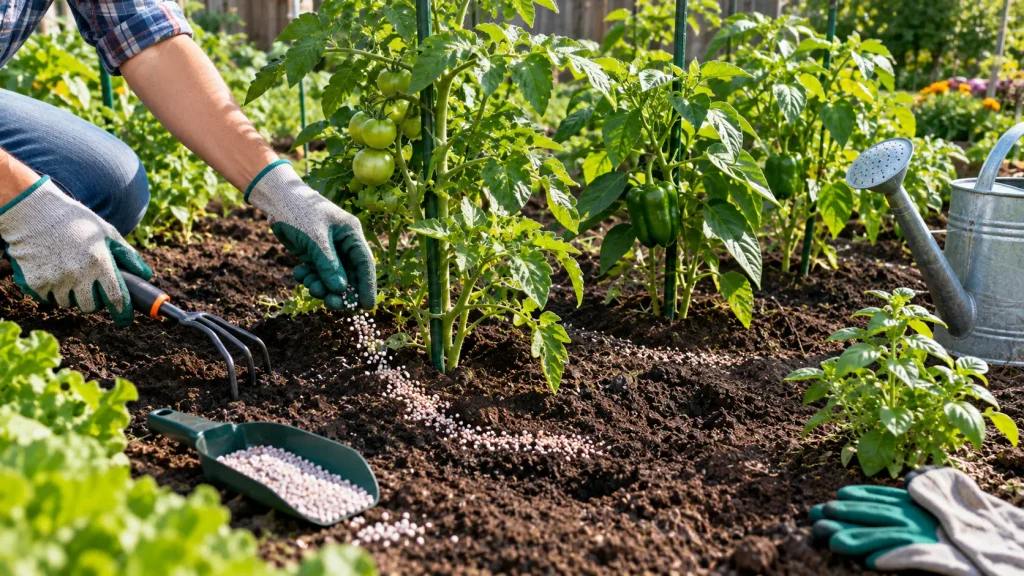
Side-dressing means adding fertilizer to the soil beside an already-growing plant, rather than mixing it in before planting. Wait 2 to 4 weeks after transplanting before the first side-dress, giving roots time to recover from the move and establish themselves.
After that first application, most vegetables benefit from side-dressing every 3 to 6 weeks, depending on the crop and how quickly it’s using up nutrients. Continuously producing crops like tomatoes, squash, and cucumbers need this more consistently than a crop like lettuce that’s harvested once and done.
To side-dress correctly:
- Spread granular fertilizer in a band a few inches to the side of the plant, not touching the stem.
- Lightly work it into the top inch of soil.
- Water immediately after applying, which moves nutrients down to the root zone and reduces the risk of burning nearby roots.
Fertilizer Timing by Crop
| Crop | First Feeding | Second Feeding | Notes |
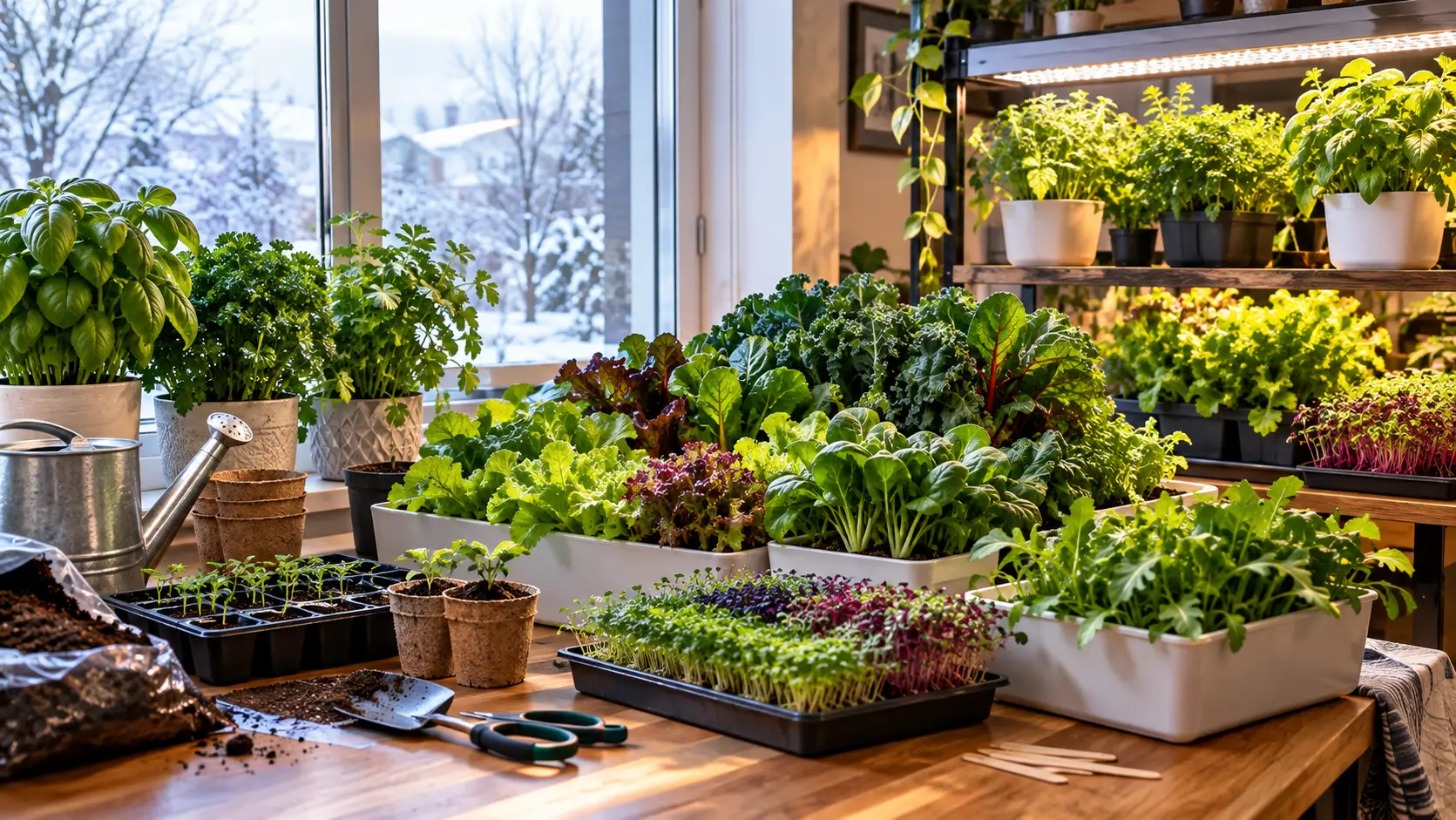
| Leafy greens (lettuce, spinach, kale) | At planting | When plants are about a third grown | Avoid overfeeding; these grow fast on their own |
| Tomatoes | At planting | At first fruit set, then every 2-4 weeks | Switch to lower nitrogen once flowering starts |
| Peppers and eggplant | At planting | After first fruit sets | Repeat feeding supports continued production |
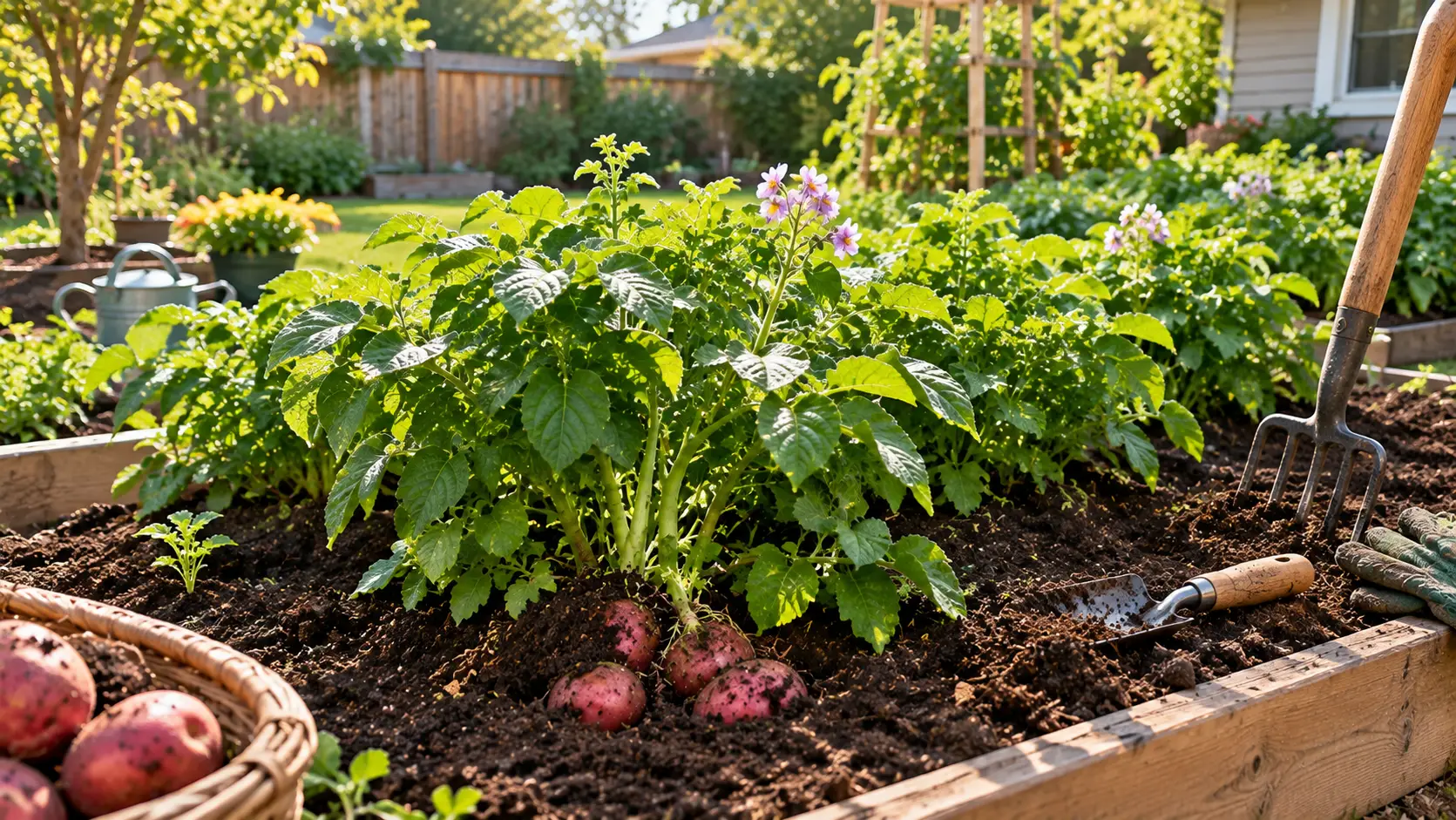
| Potatoes | At planting | Mid-season | Extra feeding helps tuber development |
| Corn | At seeding (small amount) | Early summer, before rapid growth | Long-season crop needs a second larger application |
| Root vegetables (carrots, beets) | Pre-planting only, phosphorus-focused | Light mid-season feed if needed | Too much nitrogen causes forked, leafy-heavy roots |
| Beans and peas | Pre-planting only | Rarely needed again | These fix their own nitrogen from the air |
Light Feeders vs. Heavy Feeders
Not every vegetable pulls the same amount from the soil, and treating them all the same wastes fertilizer on crops that don’t need it.
Heavy feeders use up nutrients quickly and benefit from more frequent feeding: tomatoes, corn, squash, cucumbers, peppers, eggplant, broccoli, cabbage, and leafy greens like kale and spinach all fall into this group.
Light feeders do fine with the pre-planting application alone in most soils: beans, peas, carrots, and beets need little or no supplemental fertilizer once they’re growing. Beans and peas actually add nitrogen back to the soil through bacteria in their root nodules, which is one reason gardeners rotate a heavy feeder like tomatoes with a light feeder like beans the following season.
Signs You’re Over-Fertilizing
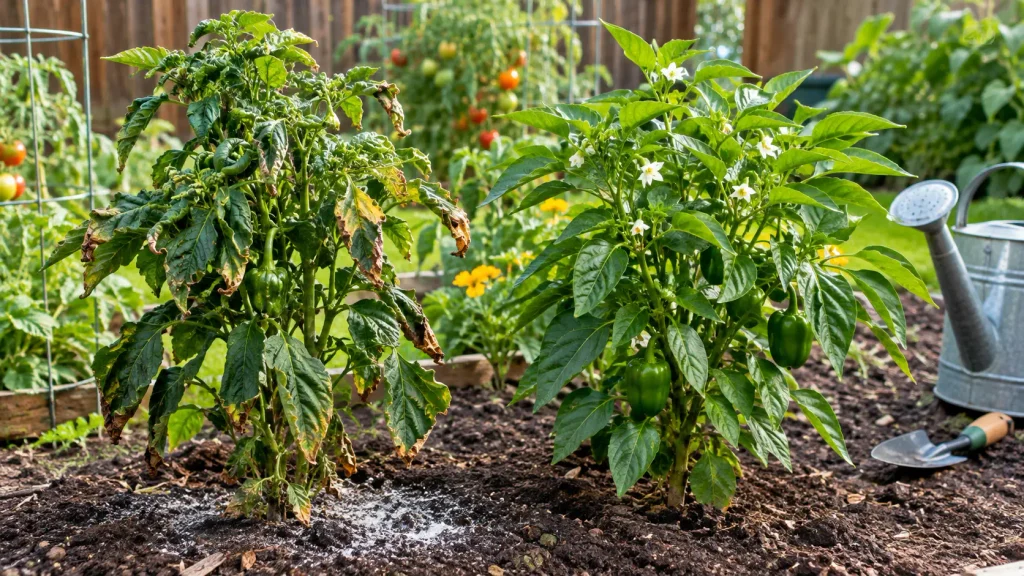
Too much fertilizer shows up in the plant before it shows up as a problem you’d notice in the soil.
- Brown or yellow leaf edges and tips, often starting on the lower, older leaves.
- Wilting despite adequate water, since excess fertilizer salts pull moisture out of roots instead of letting them absorb it.
- A white, crusty buildup on the soil surface, a sign of salt accumulation from repeated heavy applications.
- Dark green, unusually lush leaves with fewer flowers or fruit, especially common in tomatoes and peppers given too much nitrogen.
- Stunted growth, since the plant spends energy managing excess salts instead of growing normally.
If you spot these signs, stop fertilizing and water the soil deeply and slowly to flush out excess salts. Give the plant several weeks before feeding again.
Signs You’re Under-Fertilizing
Underfeeding tends to show up more slowly and looks different from overfeeding.
- Pale or yellowing leaves that start at the bottom of the plant, moving evenly rather than starting at the edges.
- Slow, weak growth even with consistent water and sun.
- Poor flowering or fruit set on crops that should be actively producing by that point in the season.
Since some of these signs overlap with other problems (watering issues, pests, poor light), check soil moisture and look for pest damage before assuming the plant needs more fertilizer.
When to Stop Fertilizing for the Season
Reduce or stop fertilizing as plants show signs of naturally slowing down, or a few weeks before your first expected fall frost. Pushing new growth late in the season on a plant that’s winding down wastes fertilizer and can leave tender new growth vulnerable to early cold.
Long-season crops still actively producing in late summer, like a mature tomato plant or winter squash, may benefit from one final light feeding, but this is the exception rather than the rule.
Common Mistakes
Fertilizing on a fixed schedule instead of watching the plant. A calendar reminder is a useful starting point, but yellowing leaves, weak growth, or heavy salt buildup on the soil surface should change your plan.
Applying fertilizer directly against the stem. This is the most common cause of fertilizer burn on young plants. Keep granular fertilizer a few inches away and water it in.
Treating light feeders like heavy feeders. Beans, peas, carrots, and beets rarely need repeated feeding once they’re growing, and extra nitrogen on root vegetables often produces leafy tops at the expense of the root you actually want.
Skipping the pre-planting application. Phosphorus barely moves through soil, so waiting until plants are already growing to add it means roots may never reach it.
Fertilizing right before a dry spell. Fertilizer needs water to move into the root zone. Applying it right before several days without rain or watering raises the risk of burn.
Final Thoughts
Get the soil ready 1 to 2 weeks before planting, ease plants in with a light starter feed, and side-dress heavy feeders every 3 to 6 weeks through the season. Match the fertilizer to the crop, since a bean plant and a tomato plant have very different needs, and watch the leaves for signs you’re giving too much or too little rather than sticking rigidly to a calendar. Get that rhythm right, and the rest of the season takes care of itself.
FAQs
How often should I fertilize my vegetable garden?
Most gardens need fertilizer at 3 points: 1 to 2 weeks before planting, a light starter feed at planting, and side-dressing every 3 to 6 weeks after that for heavy feeders. Light feeders like beans and peas often need nothing beyond the pre-planting application.
What happens if I fertilize too early, before planting?
Nitrogen can dissipate or wash out of the soil before your plants are established enough to use it. Applying fertilizer within 1 to 2 weeks of planting, rather than a month or more ahead, keeps nutrients available when roots need them.
Which vegetables need the least fertilizer?
Beans, peas, carrots, and beets are light feeders. Beans and peas add nitrogen back to the soil through their roots, so they often need no additional feeding once established.
Can I fertilize too much?
Yes. Over-fertilizing causes leaf burn, salt buildup in the soil, wilting despite adequate water, and stunted growth. If you notice these signs, stop feeding and water deeply to flush excess salts from the soil.
Should I fertilize the same way for leafy greens and fruiting vegetables?
No. Leafy greens like lettuce and spinach benefit from nitrogen through their short growing season. Fruiting crops like tomatoes and peppers need a switch to lower-nitrogen, higher-potassium fertilizer once flowering starts, since too much nitrogen at that stage favors leaves over fruit.
Do I need to fertilize in the fall?
Most vegetable gardens don’t need fall fertilizing unless you’re growing a long-season crop still producing into late summer or preparing a bed for fall crops. Reduce feeding as the season winds down rather than pushing new growth before frost.